How Idaho's Climate Impacts Asphalt Paving (And What Property Owners Should Do About It)
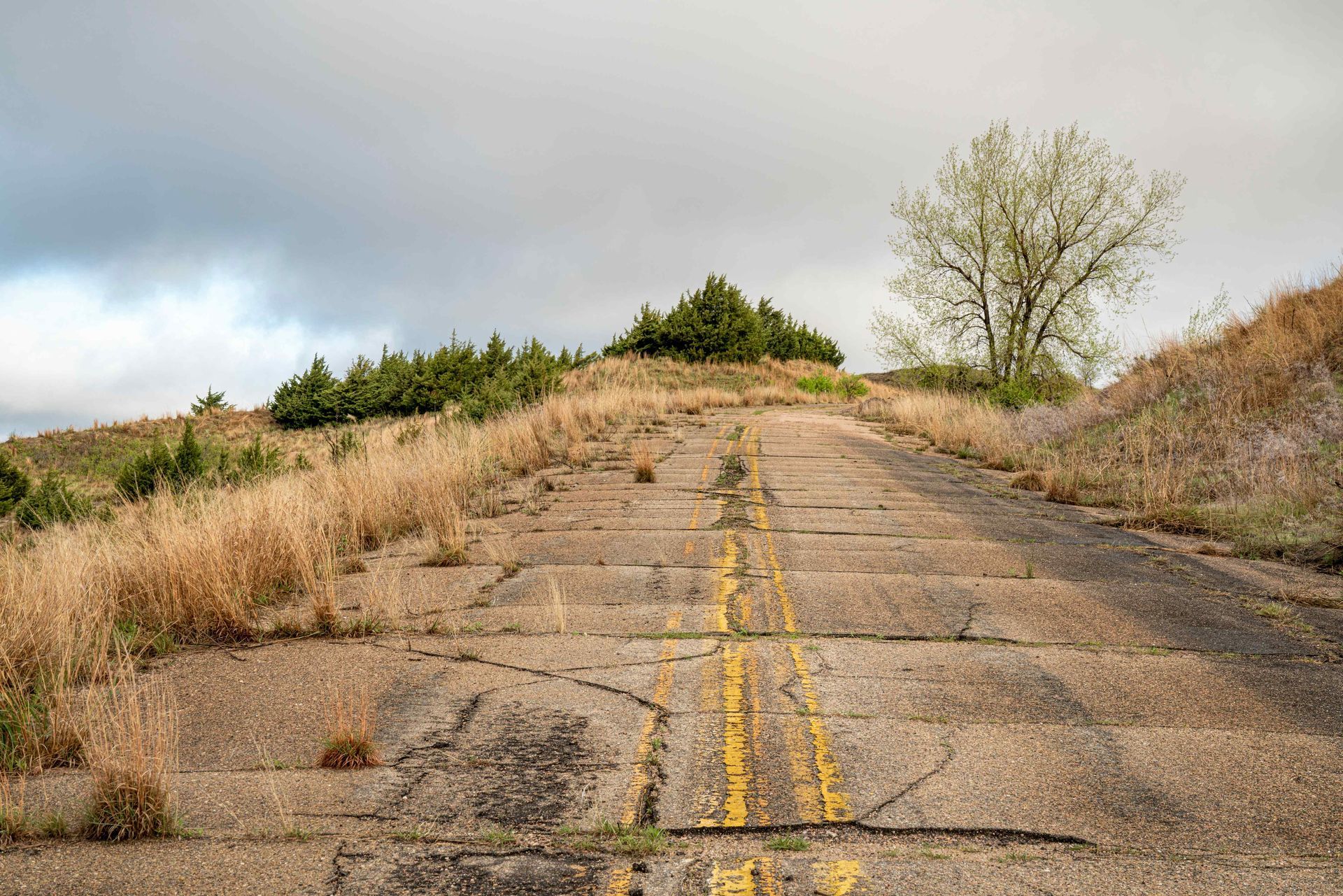
Asphalt paving is not a one-size-fits-all solution. Climate, soil conditions, and seasonal weather patterns all play a major role in how pavement performs over time. In Boise and across the Treasure Valley, asphalt is exposed to wide temperature swings, intense summer sun, winter freeze–thaw cycles, and seasonal moisture—all of which directly affect pavement longevity.
For property owners investing in new asphalt or maintaining existing pavement, understanding how Boise’s climate impacts asphalt is essential. With the right materials, installation practices, and maintenance strategy, asphalt can perform reliably for decades—even in challenging conditions.
This guide explains the most important climate-related factors affecting asphalt in the Boise area and what property owners can do to protect their investment.
Freeze–Thaw Cycles and Subgrade Movement
One of the biggest threats to asphalt pavement in Boise is the freeze–thaw cycle. During winter months, moisture penetrates cracks and pores in the asphalt surface and underlying base. When temperatures drop below freezing, that moisture expands. As temperatures rise again, it contracts.
This repeated expansion and contraction creates movement in the pavement structure and the subgrade below it.
Why Freeze–Thaw Is So Damaging
- Water expansion widens existing cracks
- Subgrade soils shift and lose compaction
- Asphalt layers flex beyond their design limits
- Small surface cracks turn into structural failures
Boise’s winter temperatures frequently cross the freezing threshold, which means pavements experience dozens—sometimes hundreds—of freeze–thaw cycles in a single season.
What Property Owners Should Do
- Ensure proper base preparation and compaction during installation
- Seal cracks early to prevent water infiltration
- Maintain adequate drainage away from pavement edges
- Address minor cracking before winter begins
The strength of the pavement base is especially critical in freeze–thaw environments. Even the best asphalt surface will fail prematurely if the subgrade below it is unstable.
Summer Heat, UV Exposure, and Asphalt Oxidation
While winter causes structural stress, Boise’s summers introduce a different problem: heat and ultraviolet (UV) radiation. Extended exposure to high temperatures and direct sunlight accelerates asphalt oxidation.
Oxidation occurs when oxygen and UV rays break down the asphalt binder that holds aggregates together. Over time, the pavement becomes brittle, dry, and more prone to cracking.
Signs of Heat and UV Damage
- Fading from deep black to gray
- Surface drying and brittleness
- Hairline cracking across the pavement
- Reduced flexibility under traffic loads
Boise regularly experiences summer temperatures in the 90s and above, making UV protection a critical part of pavement longevity.
What Property Owners Should Do
- Apply seal coating to protect against UV exposure
- Avoid letting asphalt dry out unprotected
- Address surface oxidation early, before cracking accelerates
- Schedule maintenance during appropriate temperature windows
Seal coating acts as a protective barrier, slowing oxidation and helping asphalt retain its flexibility during temperature extremes.
Drainage Challenges in the Treasure Valley
Water is the single most destructive force acting on asphalt pavement. In the Treasure Valley, drainage challenges arise not only from rainfall and snowmelt, but also from irrigation runoff, landscaping design, and soil composition.
Poor drainage allows water to pool on the surface or seep into the base layers, weakening the pavement structure from below.
Common Drainage Issues in Boise
- Flat grades that allow standing water
- Inadequate slope for runoff
- Clogged or undersized drains
- Water flowing onto pavement from landscaping or hardscapes
Even small drainage issues can dramatically shorten pavement lifespan if left unaddressed.
What Property Owners Should Do
- Ensure proper grading and slope during installation
- Keep drains and catch basins clear
- Redirect irrigation away from pavement edges
- Repair low spots where water collects
Effective drainage is not just a design consideration—it is a long-term maintenance priority that directly affects pavement durability.
Best Asphalt Mixes for Boise Conditions
Not all asphalt mixes perform the same under Boise’s climate conditions. The right asphalt design balances flexibility, durability, and resistance to temperature extremes.
In freeze–thaw and high-heat environments, asphalt must be flexible enough to move without cracking, yet strong enough to support traffic loads without rutting.
Key Characteristics of Climate-Appropriate Asphalt
- Polymer-modified binders for added flexibility
- Proper aggregate gradation for strength and compaction
- Mix designs suited for temperature variability
- Thickness appropriate for traffic volume and use
Experienced paving contractors adjust asphalt mix selection based on application—whether for parking lots, driveways, or heavy-use roadways.
What Property Owners Should Do
- Work with contractors who understand local climate demands
- Avoid “one-size-fits-all” paving approaches
- Ensure asphalt thickness matches expected traffic loads
- Ask about mix design and material quality
Selecting the right asphalt mix is a technical decision that directly impacts long-term performance in Boise’s environment.
Maintenance Strategies That Extend Pavement Life
Even the best-installed asphalt requires maintenance—especially in a climate like Boise’s. Proactive maintenance protects the pavement structure, slows deterioration, and reduces long-term costs.
Core Maintenance Services
- Crack sealing: Prevents water intrusion and freeze damage
- Seal coating: Protects against UV, oxidation, and moisture
- Patching and repair: Addresses localized failures early
- Striping and markings: Maintains safety and compliance
A well-maintained asphalt surface can last 20 to 30 years, while neglected pavement may require replacement in less than half that time.
Recommended Maintenance Timeline
- Year 1–2: Monitor surface condition
- Year 2–4: Crack sealing as needed
- Year 3–5: First seal coat application
- Ongoing: Periodic inspections and repairs
What Property Owners Should Do
- Treat asphalt as a long-term asset, not a one-time expense
- Address small issues before they become structural problems
- Develop a maintenance plan based on Boise’s climate cycles
- Partner with a paving contractor who offers ongoing support
Preventative maintenance is always more cost-effective than full pavement replacement.
Final Thoughts: Building Asphalt That Lasts in Boise
Boise’s climate presents real challenges for asphalt pavement, but those challenges are manageable with the right approach. Understanding how temperature swings, moisture, UV exposure, and soil conditions affect asphalt allows property owners to make smarter decisions—from installation through long-term maintenance.
When properly designed, installed, and maintained, asphalt remains one of the most durable and cost-effective paving solutions for Boise and the Treasure Valley.